
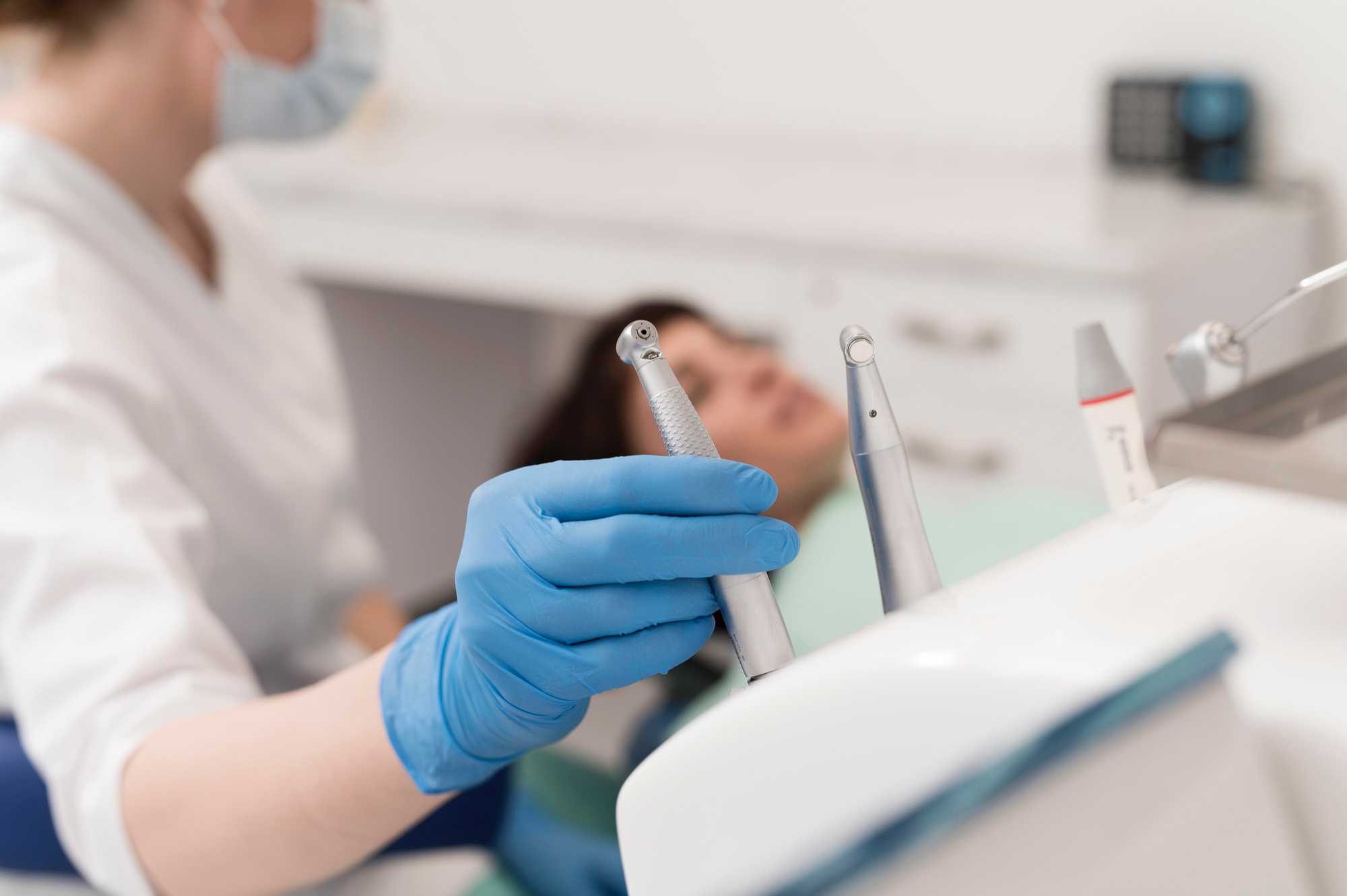
If you’ve ever postponed a dental visit because of something a friend told you—or something you read online—you’re not alone. Dental myths are everywhere, and unfortunately, they often lead people to avoid the care they need. Today, we’re setting the record straight and debunking the most common misconceptions about dental treatments with help from your friendly dentist Jefferson Park .
Because when it comes to your health, facts should always win over fear.
🦷 Myth #1: “If Nothing Hurts, I Don’t Need to See the Dentist.”
Truth: Pain is not the only indicator of a dental problem. In fact, many serious conditions—like gum disease, cavities, or infections—develop silently. By the time you feel pain, the issue has often progressed and may require more intensive treatment.
Regular dental checkups allow your dentist to catch problems early, often before you even notice symptoms. Think of it as preventive maintenance for your mouth.
🦷 Myth #2: “Brushing Harder Cleans Better.”
Truth: Brushing with too much force or using a hard-bristled brush can actually damage your enamel and irritate your gums. Over time, this can lead to gum recession and increased sensitivity.
Your dentist will always recommend brushing gently for two minutes. It’s technique and consistency—not pressure—that keeps your teeth clean.
🦷 Myth #3: “Dental Cleanings Can Damage Teeth.”
Truth: This myth is surprisingly persistent, but it’s completely false. Professional dental cleanings are designed to remove plaque and tartar—substances that do damage your teeth if left untreated.
Your dentist or hygienist uses specialized tools to clean your teeth thoroughly and safely. Skipping cleanings because you’re afraid they’ll harm your teeth can actually increase your risk of cavities and gum disease.
🦷 Myth #4: “Flossing Isn’t That Important.”
Truth: Brushing alone only cleans about 60% of your tooth surfaces. The remaining 40%? That’s between your teeth, where your brush can’t reach. That’s where flossing comes in.
Flossing once a day removes plaque and food particles from tight spaces, helping to prevent decay and gum disease. If you don’t floss, you’re leaving a big part of your mouth vulnerable—no matter how often you brush.
🦷 Myth #5: “Teeth Whitening Ruins Your Enamel.”
Truth: Professional whitening treatments provided by your dentist are safe and enamel-friendly when done properly. Over-the-counter products and DIY hacks found online, however, can be abrasive or too harsh.
Your dentist can recommend the safest, most effective whitening option based on your enamel health and sensitivity. Done right, teeth whitening is a cosmetic treatment with minimal risk.
🦷 Myth #6: “Root Canals Are Incredibly Painful.”
Truth: This is probably the most infamous dental myth of all—and it’s long outdated. Modern root canal treatments are no more uncomfortable than getting a filling.
With today’s anesthetics and advanced techniques, root canals are virtually painless. They actually relieve pain caused by infection, not cause it. Your dentist will ensure you’re completely numb and comfortable throughout the procedure.
🦷 Myth #7: “Baby Teeth Don’t Matter—They Fall Out Anyway.”
Truth: Baby teeth serve vital functions. They help children chew, speak clearly, and maintain space for permanent teeth to erupt correctly. If a baby tooth is lost too early due to decay or trauma, it can cause crowding and orthodontic issues later.
That’s why your dentist will always recommend treating and protecting baby teeth—because they matter more than you might think.
🦷 Myth #8: “All Dental Treatments Are Expensive.”
Truth: The cost of avoiding the dentist is often much higher than the cost of preventive care. Regular checkups, cleanings, and early treatment for minor issues are far more affordable than root canals, crowns, or extractions.
Many dental practices offer payment plans, accept insurance, or provide membership programs to make care more accessible. Talk to your dentist—you might be surprised at the options available.
Don’t let myths and misinformation stand between you and a healthy smile. Dental care today is safer, gentler, and more advanced than ever before. When in doubt, ask your dentist not Google or your cousin who “knows someone.” A trusted dental professional will always give you the facts (and a reason to smile).

